
 EN
EN
 DA
DA
 NL
NL
 FI
FI
 FR
FR
 DE
DE
 AR
AR
 BG
BG
 CS
CS
 EL
EL
 HI
HI
 IT
IT
 JA
JA
 KO
KO
 NO
NO
 PT
PT
 RO
RO
 RU
RU
 ES
ES
 SV
SV
 TL
TL
 ID
ID
 LT
LT
 SK
SK
 UK
UK
 VI
VI
 SQ
SQ
 HU
HU
 TH
TH
 TR
TR
 AF
AF
 MS
MS
 BN
BN
 KN
KN
 LO
LO
 LA
LA
 PA
PA
 MY
MY
 KK
KK
 UZ
UZ
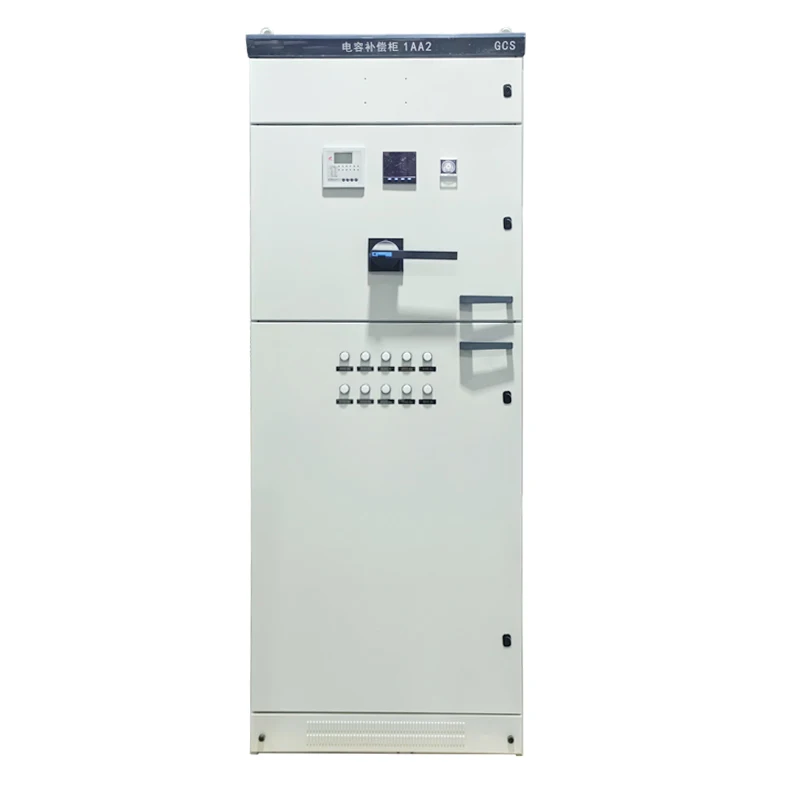
Core Functions and Key Components of Medium Voltage Switchgear
Core functions of medium voltage switchgear in power systems
Medium voltage switchgear serves as the heart of power distribution systems, handling three main tasks: protecting against faults, controlling operations, and creating electrical separation when needed. These units typically employ either vacuum or SF6 circuit breakers to spot and stop problems like short circuits almost instantly. This quick response helps protect expensive equipment and keeps the whole grid stable according to industry standards set by organizations like IEEE. When something goes wrong in part of the network, modern MV gear can isolate those trouble spots before they cause bigger issues. According to research from Ponemon Institute last year, this kind of fault containment actually cuts down on major power failures across factories and plants by around 80 percent. That makes a huge difference for businesses that rely on constant electricity supply.
Key components and operational mechanisms of MV switchgear
The primary components work together to ensure reliable operation:
- Circuit breakers: Interrupt fault currents up to 40kA
- Busbars: Copper or aluminum conductors that distribute power with less than 2% loss
- Protection relays: Microprocessor-based devices sampling voltage and current 200 times per second
- Disconnect switches: Allow safe isolation for maintenance without shutting down entire systems
This integrated design supports 99.98% uptime in utility-scale installations.
Types of medium voltage switchgear (AIS, GIS, RMU) and their applications
| Type | Configuration | Ideal Application |
|---|---|---|
| AIS | Air-insulated open design | Large substations (50+ acres) |
| GIS | Gas-insulated compact chambers | Urban centers/indoor plants |
| RMU | Modular ring main units | Renewable integration sites |
GIS dominates the European market (62% adoption) due to space efficiency, while AIS remains a cost-effective solution for expansive industrial facilities. RMUs are increasingly combined with smart monitoring capabilities to manage bidirectional power flows in solar and wind farms.
Integration of Medium Voltage Switchgear with Renewable Energy and Microgrids
The growth of renewable energy has heightened demand for medium voltage switchgear capable of managing complex, dynamic grid conditions. As distributed generation expands, switchgear plays a vital role in stabilizing microgrids and enabling seamless integration.
Challenges in connecting distributed energy resources to distribution networks
When we bring variable energy sources such as solar panels and wind turbines into the mix, they create power flows going both ways which really put pressure on old fashioned distribution systems. As renewable energy starts making up over 30 percent of grid supply according to Future Market Insights data from last year, problems pop up including voltage swings, unstable frequencies, and much trickier fault handling situations. That's where modern medium voltage switchgear comes into play. These advanced systems help manage the chaos by adjusting their protective functions automatically and quickly cutting off parts of the network that start acting up.
Role of MV switchgear in stabilizing renewable-fed microgrids
Modern MV switchgear enhances microgrid resilience through three key functions:
- Synchronizing intermittent renewable inputs with grid frequency
- Regulating voltage during sudden drops in generation
- Balancing loads across multiple distributed energy resources via intelligent sectioning
These capabilities reduce renewable curtailment by 18% and help prevent cascading failures (Market Analysis Report 2023).
Case study: Solar farm integration using smart MV switchgear in Germany
A 150MW solar facility in Bavaria deployed modular MV switchgear with dynamic thermal rating. The system autonomously reroutes power during cloud cover, maintaining consistent export to the 20kV network. This approach reduced interconnection upgrade costs by 40% compared to conventional substation designs.
Digitalization, IoT, and Smart Grid Communication in MV Switchgear
Today’s medium voltage switchgear integrates IoT sensors and digital communication protocols to enable real-time monitoring, predictive analytics, and adaptive control. Embedded temperature, current, and partial discharge sensors provide continuous condition feedback, while edge computing enables fast local decision-making to minimize fault response latency.
Digital Technology and IoT in MV Switchgear for Real-Time Control
IoT-enabled platforms use machine learning to predict insulation degradation 14–30 days in advance with 92% accuracy, according to a 2024 Smart Grid Report. This allows maintenance to be scheduled during low-load periods, reducing unplanned downtime.
Smart Monitoring and Real-Time Data Collection in Switchgear Systems
Advanced metering infrastructure (AMI) captures performance data every two seconds, generating over 12,000 data points daily from a typical 15 kV installation. These insights support load balancing, capacity planning, and long-term asset management.
IEC 61850 Compatibility and Its Impact on Interoperability
IEC 61850 standardizes substation communication, enabling multivendor interoperability through ultra-fast GOOSE messaging (under 4 ms). Utilities adopting this protocol report 31% faster fault isolation in microgrid environments.
Controversy Analysis: Proprietary vs. Open Protocols in Smart Switchgear Communication
While open protocols enhance scalability and integration, some manufacturers argue proprietary systems offer stronger cybersecurity–especially relevant given that 68% of utilities faced at least one cyberattack attempt in 2023 (Grid Security Bulletin). Emerging hybrid architectures now combine open-standard data exchange with vendor-specific encryption for balanced security and flexibility.
Edge-based analytics reduce reliance on cloud connectivity, addressing bandwidth limitations in remote locations. This decentralized intelligence model maintains 99.98% reliability even during communication disruptions.
Remote Control, Automation, and AI-Driven Enhancements in MV Switchgear
Integration with SCADA and Distribution Automation Systems
Medium voltage switchgear plays a key role in SCADA systems and distribution automation setups, allowing operators to monitor conditions in real time while controlling processes automatically. These advanced systems handle massive amounts of data every single second, making it possible to adjust feeder settings on the fly and find problems before they spread throughout the network. Fault isolation happens incredibly fast too, often within just 50 milliseconds which matters a lot when maintaining power stability across both manufacturing plants and city grids. Some tests conducted last year demonstrated how using SCADA based analysis actually reduced the time needed to fix electrical issues by roughly two thirds when compared against traditional methods where technicians had to locate and address problems manually.
Remote Monitoring and Automation Capabilities for Enhanced Grid Responsiveness
Sensor-equipped MV switchgear enables remote diagnostics with 98.5% data accuracy, reducing maintenance costs by 30% through predictive algorithms. Real-time thermal imaging and partial discharge detection allow early intervention on insulation issues. A 2024 EPRI study found such systems prevented 4.7 million customer outage minutes annually through automated section switching.
Trend: AI-Driven Control Logic in MV Switchgear for Self-Healing Grids
Modern switchgear now incorporates machine learning algorithms that study past fault data, which helps predict and stop around 83% of those short-lived power interruptions before they happen. When storms hit or temperatures spike, these smart systems can automatically redirect electricity flow while maintaining voltages pretty close to standard levels, typically within plus or minus 2%. Looking ahead, experts expect significant growth in the market for AI-powered switchgear over the next decade, with forecasts pointing toward nearly 18% annual growth through 2030 as utilities increasingly seek grids that can fix themselves after disruptions. Many manufacturers are starting to integrate edge computing hardware right into their transformer connections, allowing protective actions to happen roughly 40 times quicker compared to traditional cloud-based approaches. This speed difference makes all the difference during critical moments when every second counts for system stability.
Predictive Maintenance, Sensor Integration, and Future Trends in MV Switchgear
Modern MV switchgear incorporates embedded sensors that continuously monitor temperature, partial discharge, contact wear, and load variations. These inputs enable real-time tracking of insulation health and operational anomalies, forming the foundation of predictive maintenance strategies.
Digital Meters and Condition-Based Monitoring for Fault Detection
Digital metering systems enhanced with analytics detect phase imbalances (≤15% variance) and arcing faults with high precision. A 2023 Energy Research Institute study found that machine learning reduced false alarms by 63% in sensor-equipped installations.
Data from EPRI: Sensor-Equipped Switchgear Reduces Outage Time by 40%
EPRI analysis shows sensor-enabled MV systems reduce average outage duration from 4.2 hours to 2.5 hours by enabling predictive fault localization.
Industry Paradox: High Upfront Cost vs. Long-Term Savings in Smart Maintenance
Although smart MV switchgear carries a 25–40% higher initial cost, DNV GL’s 2024 lifecycle assessment reveals 55% lower maintenance expenses over 15 years due to fewer unplanned outages.
Future Trend: Edge Computing Integration Within MV Switchgear Units
Leading manufacturers now integrate edge processors directly into switchgear enclosures, allowing 85% of operational data to be analyzed locally. This shift aligns with findings from a 2025 smart grid report showing edge computing reduces cloud dependency by 70% in mission-critical grid applications.
FAQ Section
What are the core functions of medium voltage switchgear in a power system?
Medium voltage switchgear primarily protects against faults, controls operations, and creates electrical separation when required to ensure grid stability and safety.
How do medium voltage switchgear components work together?
Circuit breakers, busbars, protection relays, and disconnect switches in medium voltage switchgear work together to provide system reliability and efficiency.
What role does medium voltage switchgear play in renewable energy integration?
Medium voltage switchgear helps stabilize microgrids by synchronizing grid frequency, regulating voltage, and balancing loads across distributed energy resources.
How does IoT enhance medium voltage switchgear systems?
IoT sensors in switchgear systems enable real-time monitoring, predictive analytics, and adaptive control for efficient maintenance and operation.
What is the significance of IEC 61850 in switchgear systems?
IEC 61850 enables fast substation communication and multivendor interoperability, improving fault isolation speed in microgrid environments.
Why is AI integration important in medium voltage switchgear?
AI-driven control logic predicts and prevents power interruptions, aiding in self-healing grids that automatically redirect electricity flows during outages.
Table of Contents
- Core Functions and Key Components of Medium Voltage Switchgear
- Integration of Medium Voltage Switchgear with Renewable Energy and Microgrids
- Digitalization, IoT, and Smart Grid Communication in MV Switchgear
- Remote Control, Automation, and AI-Driven Enhancements in MV Switchgear
- Predictive Maintenance, Sensor Integration, and Future Trends in MV Switchgear
-
FAQ Section
- What are the core functions of medium voltage switchgear in a power system?
- How do medium voltage switchgear components work together?
- What role does medium voltage switchgear play in renewable energy integration?
- How does IoT enhance medium voltage switchgear systems?
- What is the significance of IEC 61850 in switchgear systems?
- Why is AI integration important in medium voltage switchgear?