
 EN
EN
 DA
DA
 NL
NL
 FI
FI
 FR
FR
 DE
DE
 AR
AR
 BG
BG
 CS
CS
 EL
EL
 HI
HI
 IT
IT
 JA
JA
 KO
KO
 NO
NO
 PT
PT
 RO
RO
 RU
RU
 ES
ES
 SV
SV
 TL
TL
 ID
ID
 LT
LT
 SK
SK
 UK
UK
 VI
VI
 SQ
SQ
 HU
HU
 TH
TH
 TR
TR
 AF
AF
 MS
MS
 BN
BN
 KN
KN
 LO
LO
 LA
LA
 PA
PA
 MY
MY
 KK
KK
 UZ
UZ
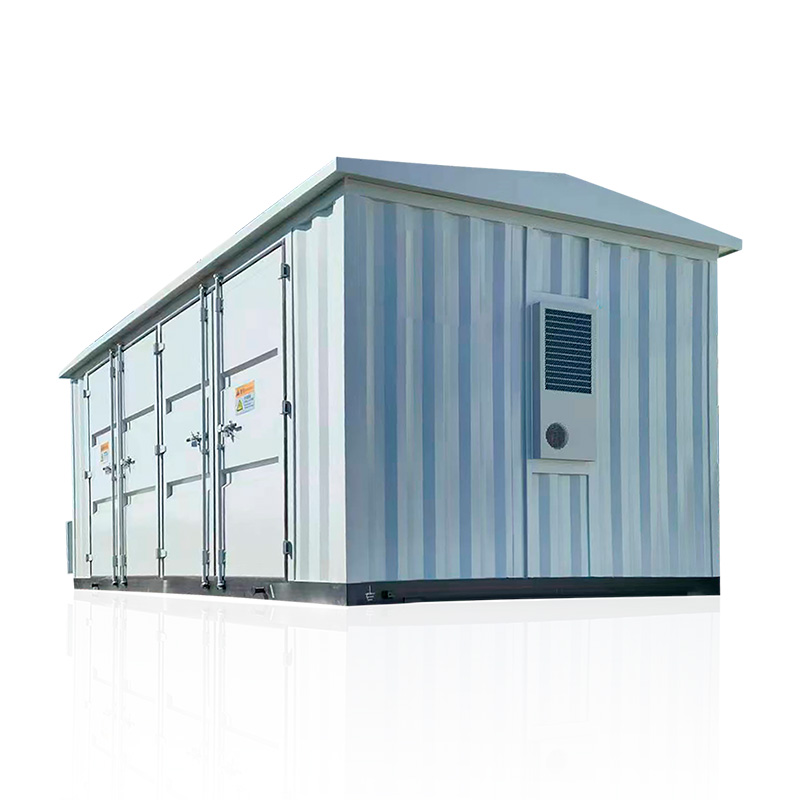
Core Functions of High Voltage Switch Cabinets in Renewable Energy Systems
Understanding the fundamental role of high voltage switchgear in renewable energy systems
High voltage switch cabinets serve as central control points for renewable energy systems, directing electricity from sources like wind turbines and solar panels into the main power grid. These units typically operate above 52 kilovolts and can process anywhere from three to four times more electrical current than standard distribution equipment, all while keeping things stable. A recent study on modernizing grids found that when solar farms use upgraded switchgear technology, problems with syncing to the grid drop around two thirds compared to older methods. This makes them essential components for reliable operation of large scale renewable projects.
Key electrical functions: isolation, protection, and load switching
Modern switch cabinets perform three essential operations:
- Isolation: Safely disconnect de-energized circuits during maintenance within 0.5–1.5 seconds
- Protection: Detect and interrupt fault currents up to 63kA in 30–100 milliseconds
- Load switching: Transfer power blocks of 300–500MW between circuits without causing voltage dips
These functions ensure operational continuity and equipment safety under dynamic grid conditions.
Ensuring stable power flow during variable generation from renewables
Wind and solar generation can fluctuate by ±80% within minutes. High Voltage Switch Cabinets help maintain grid stability through:
- Dynamic voltage regulation (±5% tolerance)
- Frequency control maintained within 49.5–50.5Hz
- Reactive power compensation with capacities up to 300MVAR
By responding rapidly to generation swings, switchgear minimizes disruptions and supports consistent power delivery.
Integration with control systems for real-time monitoring and response
Advanced cabinets integrate IoT sensors and IEC 61850-compliant communication protocols, enabling:
- 50ms response to grid instability events
- Predictive maintenance via continuous partial discharge monitoring
- Remote operation capabilities for offshore wind farms located 30–150km from shore
This integration reduces forced outages by 73% in renewable plants based on 2024 smart grid data, underscoring their critical role in reliable green energy supply.
High Voltage Switch Cabinets in Wind Farm Applications
Role of switchgear in onshore and offshore wind farm infrastructure
High voltage switch cabinets are central to wind farm collection systems, both onshore and offshore. In marine environments, modular gas-insulated switchgear (GIS) provides compact, corrosion-resistant solutions capable of handling voltages up to 40.5 kV, making them ideal for offshore substations (Wind Energy Integration Report 2023).
Managing intermittent output through fault protection and circuit interruption
To manage the 15–25% daily output variations typical in wind farms, switch cabinets employ rapid fault detection systems that interrupt circuits within 30 milliseconds. Advanced vacuum circuit breakers prevent damage during sudden surges or drops, ensuring long-term reliability of connected equipment.
Case study: High Voltage Switch Cabinets in the Hornsea Offshore Wind Farm (UK)
The Hornsea project, Europe’s largest offshore wind farm, uses specialized switchgear to aggregate 1.2 GW of power transmitted via 66 kV undersea cables. The system leverages 1500V connector technology to reduce transmission losses across 120 km submarine routes, enhancing overall efficiency and scalability.
Overcoming challenges in long-distance transmission from remote wind sites
Voltage drop and reactive power loss are key concerns in long-distance offshore transmission. Engineers use adaptive tap changers and strategic placement of switch cabinets along transmission corridors to provide localized reactive support, reducing line losses by 18–22% compared to centralized designs (Ponemon 2023).
Switchgear Integration in Utility-Scale Solar Power Plants
Integration of High Voltage Switch Cabinets in Photovoltaic Farm Design
At large scale solar installations, those big high voltage switch cabinets act as traffic controllers for electricity moving from solar panels to where it connects with the main power grid. These cabinets sit right between the inverters and those transformers that boost voltage levels. They help figure out the best paths for electrical current so less energy gets lost during transport. According to some field reports from engineering firms working on solar farms across California, getting these cabinets placed correctly can cut down on cable expenses by around 18 percent while also making it faster to respond when something goes wrong in the system. Nowadays many solar projects use centralized switching hubs that handle power from several different panel sections at once, which makes financial sense but also adds backup protection in case one part fails unexpectedly.
Voltage Regulation and Grid Synchronization Using High Voltage Switchgear
Solar farms need to transform the direct current electricity from their panels, which ranges between about 600 volts to 1500 volts DC, into alternating current at much higher voltages like 33 kilovolts up to 230 kilovolts AC so it can be fed into the power grid. Modern switchgear equipped with microprocessors has relays that actually fix those little dips or spikes in voltage within just two cycles of the electrical wave, something that meets the requirements set out by the IEEE 1547-2018 standard. These systems really come into play when clouds suddenly pass over solar arrays, causing rapid drops in power production. Imagine what happens to a typical 100 megawatt installation on such days it could see its output drop by as much as 80 percent within less than ninety seconds flat.
Case Study: Desert Sunlight Solar Farm (USA) and Its Switchgear Configuration
The Desert Sunlight solar farm in California has 145 high voltage switch cabinets spread out over nearly 4,000 acres of land. What makes this setup special is their zone based protection system which can detect problems within each 40MW section of the array without shutting down the whole operation. When heavy rains hit during the summer of 2023, these specialized switches kept power flowing much better than traditional systems would have managed. The result? Outages lasted only about a quarter as long as they typically do under similar weather conditions. This kind of smart engineering really shows why customized electrical infrastructure matters so much for large scale renewable energy projects.
Thermal Management and Environmental Resilience in Desert Installations
The equipment needs to handle pretty harsh conditions, working reliably across temperatures from minus ten degrees Celsius all the way up to fifty degrees. The switchgear installed at Desert Sunlight has an IP54 rating which keeps out sand and moisture, plus it comes with those special liquid cooled busbars. When things start getting too hot inside, around 65 degrees Celsius or so, the thermal sensors connected to the internet kick on the cooling system automatically. This setup actually stopped twelve possible breakdowns last year according to maintenance records. Pretty impressive considering how often we're seeing these extended heatwaves now, something climate scientists have been warning about for years.
Grid Integration and Power Distribution Through High Voltage Switch Cabinets
Enabling seamless integration of renewable energy into national and regional grids
High Voltage Switch Cabinets bridge decentralized renewable sources and centralized transmission networks, enabling bidirectional power flow while ensuring compliance with grid codes. With ±10% voltage tolerance, they compensate for rapid fluctuations—such as those caused by passing clouds over solar farms, which can trigger 20–30% output changes in under five seconds.
Balancing supply fluctuations with intelligent switching and load management
Intelligent switching protocols allow cabinets to dynamically reroute power based on demand and availability. For instance, midday solar surplus is automatically directed to storage systems, then reversed during evening peaks. This flexibility reduces reliance on fossil-fuel peaker plants by 18–25% in hybrid renewable systems, according to 2023 grid optimization research.
Sector-specific applications across wind, solar, and hybrid renewable systems
Wind farms use switchgear for harmonic filtering, keeping total harmonic distortion (THD) below 2%. Solar installations leverage current-limiting functions during partial shading to prevent dangerous voltage gradients. Hybrid systems benefit from modular switchgear designs that enable 35% faster reconfiguration during transitions between energy sources, improving operational agility.
Safety, Innovation, and Future Trends in High Voltage Switchgear Technology
Advanced Safety Mechanisms: Overload Protection, Arc Flash Mitigation, and Lightning Defense
Today's switch cabinets come equipped with multiple safety layers designed specifically for the challenges posed by renewable energy sources. When there are sudden surges in electrical current, overload protection kicks in to stop inverters and converters from overheating and getting damaged. For arc flash situations, modern systems can cut down on dangerous energy levels by around 85%, according to standards set in IEC 62271-1 from 2023. This is achieved through special breakers that limit current flow and insulation materials under pressure. Another important feature is surge arresters connected to weather forecasting technology. These help protect against lightning strikes, which matters a lot for wind farms located out at sea where storms happen frequently.
Compliance with IEC and IEEE Standards for High Voltage System Safety
Most international electrical projects stick to either IEC 62271 or IEEE C37.100 standards when it comes to testing equipment. These standards set pretty strict requirements for how well switchgear can handle intense electric fields and what happens during earthquakes. According to recent specs from the IEEE 2024 Power Report, modern switchgear needs to survive electric fields around 24 kilovolts per centimeter while keeping SF6 gas leaks under control at less than half a part per million each year. Certification bodies are getting stricter these days too, requiring backup systems for monitoring gas levels. This has pushed many manufacturers toward newer options like combining air with SF6 gas or exploring completely different insulation methods altogether.
Digital Switchgear and IoT-Enabled Monitoring in Smart Renewable Plants
IoT sensors can track as many as 38 different things happening right now including stuff like how much contact parts are wearing down, what temperatures are doing over time, and those pesky partial discharge levels we all worry about. Some folks studying smart grids did research back in 2025 showing that when they used these prediction tools, wind farms actually had 62 percent less downtime because problems got spotted earlier, like finding those dissolved gases in equipment connected to transformers before they became major issues. And let's not forget cloud computing too. These platforms make it possible to push software updates from afar, so solar installations can tweak their safety settings on the fly whenever there's a sudden change in electrical frequency. Pretty handy stuff for keeping everything running smoothly without shutting things down for maintenance.
Eco-Friendly Innovations: SF6 Alternatives and Modular, Pre-Fabricated Switch Cabinets
Manufacturers are moving away from traditional SF6 gases because of those strict F-gas regulations. Instead they're turning to fluoroketone alternatives which have around 98% less impact on global warming according to CIGRE research from last year. The new modular switchgear designs really speed things up too. These pre-built units slash installation time by roughly 40 percent, making them ideal for getting solar projects online quickly when demand keeps growing. For harsh desert environments, special versions come equipped with passive cooling systems and materials that resist UV damage. This allows equipment to keep running smoothly even when temperatures hit 55 degrees Celsius during peak summer days.
FAQ
What is the purpose of high voltage switch cabinets in renewable energy systems?
High voltage switch cabinets serve as central control points, directing electricity from renewable sources like wind turbines and solar panels into the main power grid.
How do high voltage switch cabinets ensure grid stability in renewable energy?
They ensure stability through dynamic voltage regulation, frequency control, and reactive power compensation, maintaining consistent power delivery even during fluctuations.
What role do high voltage switch cabinets play in wind farms?
In wind farms, they manage output variations through rapid fault detection systems that interrupt circuits, ensuring long-term reliability of equipment.
How do high voltage switch cabinets integrate with control systems?
They integrate IoT sensors and communication protocols for real-time monitoring, reducing forced outages and enabling remote operation, especially in offshore wind farms.
Why are SF6 alternatives used in high voltage switchgear?
SF6 alternatives are used due to stricter environmental regulations, reducing global warming impacts significantly compared to traditional SF6 gases.
Table of Contents
- Core Functions of High Voltage Switch Cabinets in Renewable Energy Systems
-
High Voltage Switch Cabinets in Wind Farm Applications
- Role of switchgear in onshore and offshore wind farm infrastructure
- Managing intermittent output through fault protection and circuit interruption
- Case study: High Voltage Switch Cabinets in the Hornsea Offshore Wind Farm (UK)
- Overcoming challenges in long-distance transmission from remote wind sites
- Switchgear Integration in Utility-Scale Solar Power Plants
- Grid Integration and Power Distribution Through High Voltage Switch Cabinets
-
Safety, Innovation, and Future Trends in High Voltage Switchgear Technology
- Advanced Safety Mechanisms: Overload Protection, Arc Flash Mitigation, and Lightning Defense
- Compliance with IEC and IEEE Standards for High Voltage System Safety
- Digital Switchgear and IoT-Enabled Monitoring in Smart Renewable Plants
- Eco-Friendly Innovations: SF6 Alternatives and Modular, Pre-Fabricated Switch Cabinets
-
FAQ
- What is the purpose of high voltage switch cabinets in renewable energy systems?
- How do high voltage switch cabinets ensure grid stability in renewable energy?
- What role do high voltage switch cabinets play in wind farms?
- How do high voltage switch cabinets integrate with control systems?
- Why are SF6 alternatives used in high voltage switchgear?