
 EN
EN
 DA
DA
 NL
NL
 FI
FI
 FR
FR
 DE
DE
 AR
AR
 BG
BG
 CS
CS
 EL
EL
 HI
HI
 IT
IT
 JA
JA
 KO
KO
 NO
NO
 PT
PT
 RO
RO
 RU
RU
 ES
ES
 SV
SV
 TL
TL
 ID
ID
 LT
LT
 SK
SK
 UK
UK
 VI
VI
 SQ
SQ
 HU
HU
 TH
TH
 TR
TR
 AF
AF
 MS
MS
 BN
BN
 KN
KN
 LO
LO
 LA
LA
 PA
PA
 MY
MY
 KK
KK
 UZ
UZ
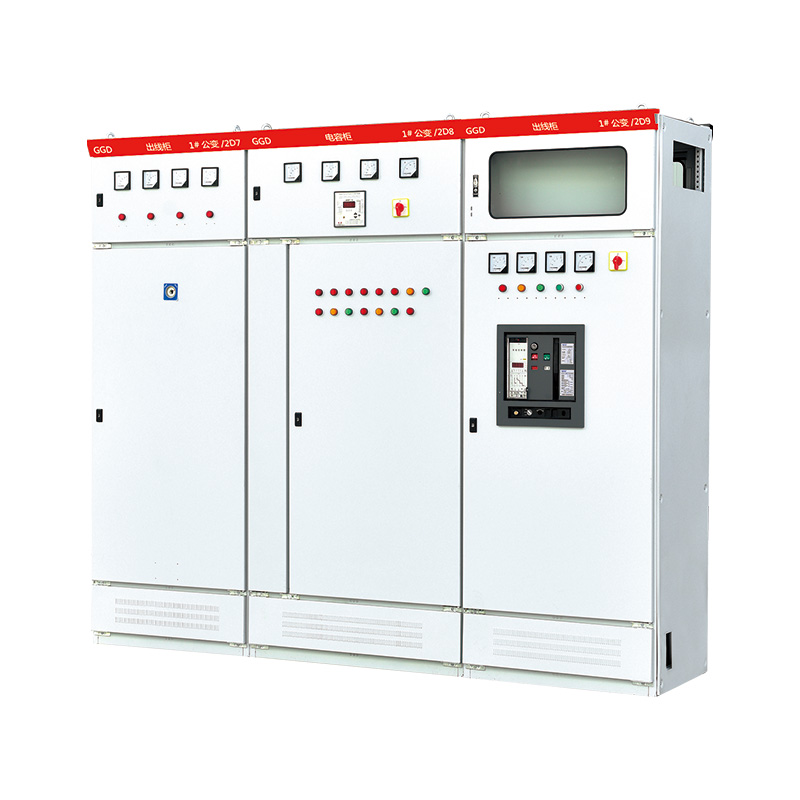
Core Power Distribution Components in a Distribution Cabinet
Distribution cabinets rely on four fundamental components to ensure safe and efficient power delivery. These elements work synergistically to manage electrical loads while preventing system failures.
Circuit Breakers and Their Role in Electrical Protection
Circuit breakers today act as the primary protection in electrical panels, employing those thermal magnetic trip systems we all know about to catch overloads and short circuits before they cause real damage. Take a situation where there's about 150% more current flowing than normal, most standard breakers will cut off power somewhere between 2 to 7 seconds later. That's way quicker compared to old school fuses which could take minutes to blow out completely. The fact that these breakers can be reset after tripping means less time spent waiting for replacements, which explains why factories and big commercial buildings rely so heavily on them. After all, nobody wants their production line grinding to a halt just because some equipment drew too much juice at once.
Bus Bars: Function, Types, and Configuration for Efficient Power Flow
Copper or aluminum bus bars form the conductive backbone of distribution cabinets, engineered to handle specific current ratings:
| Power Rating | Typical Thickness | Common Applications |
|---|---|---|
| 1000A | 3–6 mm | Residential |
| 1000–2500A | 6–12 mm | Industrial |
| 2500A | 12–25 mm | Utility substations |
Tinned surfaces reduce oxidation, while modular designs support flexible configurations in three-phase systems, enhancing scalability and maintenance efficiency.
Fuse Holders and Fuses for Overload and Short-Circuit Protection
Blade and cartridge fuse holders provide affordable protection solutions for homes and small businesses alike. When there's a short circuit situation, these fuses kick in around three times quicker than regular circuit breakers, stopping the electricity flow within about a tenth of a second. Industry research shows that when installed correctly, fuses stop approximately 9 out of 10 electrical fires that happen because of those nagging little overloads that build up over time. This makes them particularly valuable for property owners looking to maintain safety without breaking the bank on expensive electrical systems.
Circuit Breakers vs. Fuses: Performance, Reliability, and Application Differences
While fuses provide fast-acting, single-use protection, circuit breakers offer greater long-term reliability through reusability. Industrial facilities report 40% lower maintenance costs with breakers due to reduced replacement needs. However, fuses remain dominant in space-constrained applications like automotive systems and consumer appliances, where simplicity and compact design are prioritized.
Wiring Management and Connectivity Solutions
Terminal blocks for secure and organized electrical connections
Terminal blocks make for organized and dependable electrical connections inside distribution cabinets. They help keep wires from getting all over the place and make it much easier when someone needs to figure out what went wrong. Most terminal blocks are made with materials that resist fire and corrosion, so they can handle pretty high temps around 105 degrees Celsius or 221 Fahrenheit. These meet those important IEC 60947-7-1 safety standards too. When electricians install cabinets with these modular blocks instead of just connecting wires directly, there tends to be about 60 something percent fewer mistakes during installation. That makes a big difference in both safety and efficiency down the line.
- Color-coded housings for phase identification
- Dual-level clamping to prevent strand splay
- Transparent covers enabling visual inspection without disassembly
Power distribution blocks for balanced load sharing
Power distribution blocks make it possible to connect circuits in parallel, which helps distribute electrical loads evenly and keeps voltage levels stable across different branches of a system. These blocks can carry about 30 to maybe even 50 percent more current density compared to regular terminal blocks, reaching as much as 600 amps while still keeping voltage drops under control at around 2% or less when operating at maximum capacity. Constructed primarily from tin plated copper alloy materials, they stand up well against corrosion problems especially in areas where humidity stays high, sometimes going up to 80% relative humidity without issues. Some newer versions come equipped with built-in temperature monitoring systems too. When things get too hot inside these blocks, usually above 85 degrees Celsius or roughly 185 degrees Fahrenheit, warning signals go off so technicians know something might be wrong before serious damage occurs. This early detection feature not only stops potential failures but also extends how long components last overall.
Enclosure Design: Materials, Durability, and Environmental Protection
The design of a distribution cabinet’s enclosure directly impacts its longevity, safety, and adaptability to operating conditions. Selecting the right materials and protective features ensures reliable performance across industrial, marine, and outdoor environments.
Common Materials Used in Distribution Cabinet Enclosures and Their Advantages
For places where chemicals are present or near saltwater environments, stainless steel stands out because it resists corrosion better than most materials. Aluminum works well indoors since it's light weight and won't rust, making it popular for many interior applications. When looking at polycarbonate enclosures, they really shine when it comes to taking hits without breaking and letting people see what's going on inside the equipment. That transparency makes maintenance easier too. Fiberglass composites have become go-to choices in situations involving very hot or cold conditions and electrical work areas. These materials don't conduct electricity and stay stable even when temperatures fluctuate wildly. Powder coated carbon steel remains a solid choice for everyday needs thanks to its reasonable price tag and decent protection against weathering factors. Most manufacturers recommend this option for standard installations where budget matters but complete weatherproofing isn't absolutely necessary.
| Material | Ideal Environment | Key Advantage |
|---|---|---|
| Stainless Steel | High moisture, chemicals | Corrosion resistance, durability |
| Aluminum | Lightweight applications | Cost-effective, rust-proof |
| Polycarbonate | Indoor, high-impact zones | Transparency, impact resistance |
| Fiberglass | Extreme temperatures | Thermal stability, electrical insulation |
How Environmental Factors Influence Enclosure Selection and Performance
When choosing enclosure materials, environmental factors like humidity levels, dust accumulation, and extreme temperatures really matter. Stainless steel cabinets rated NEMA 4X work great in food processing facilities that need constant cleaning, whereas aluminum enclosures with IP65 ratings handle dusty factory settings much better. Coastal regions pose special challenges too. Fiberglass actually stands up to salt spray corrosion about 34 percent better than regular steel according to a study from Ponemon back in 2023. That makes a big difference over time. For solar farms exposed to sunlight day after day, UV resistant polycarbonate has become quite popular lately. Meanwhile city installers often go for advanced metal alloys when space gets tight and weight becomes an issue. These materials let them pack more equipment into smaller spaces without sacrificing durability.
Safety Mechanisms and Electrical Hazard Prevention
Essential safety features in a Distribution Cabinet to prevent electrical hazards
Modern distribution cabinets come equipped with multiple layers of protection against electrical shocks and potential equipment failures. The insulated bus bars keep workers safe from coming into contact with live electrical parts inside the cabinet. When things go wrong, there are emergency shutdown systems ready to cut power quickly. Grounding systems play their part too by channeling fault currents away from where they could cause problems. According to recent data from the National Electrical Safety Foundation in 2023, these grounding systems actually cut down on dangerous arc flash events by around two thirds. Another handy feature is those clear inner panels that let technicians check what's going on inside without having to touch anything that might still be live. This makes following proper lockout and tagout procedures much easier when maintenance work needs to be done.
Interlocks, grounding systems, and arc flash mitigation strategies
Mechanical interlocks make sure operations follow the right sequence for safety reasons, so workers can't get into live parts until the voltage drops under 50 volts. Studies on industrial safety have found these interlocks cut down electrical injuries by around three quarters. Then there's equipotential bonding which helps keep touch voltages low during equipment failures. This works hand in hand with those special arc flash rated enclosures that actually stand up to crazy high temps over 35 thousand degrees Fahrenheit. When companies install current limiting breakers along with systems that meet NFPA 70E standards for reducing incident energy, they see about an 85 percent drop in arc energy levels compared to regular old protective gear on the market today.
Thermal Management: Cooling and Ventilation in Distribution Cabinets
Proper thermal regulation prevents overheating, extending component lifespan and reducing failure rates by up to 30% in high-load environments (Electrical Safety Report 2023).
Passive vs. Active Cooling Systems for Optimal Temperature Control
Passive cooling uses natural convection through vents, heat sinks, or thermally conductive materials, suitable for low-power or stable-climate applications. Active cooling employs fans, air conditioners, or liquid systems to manage heat in environments exceeding 40°C ambient temperatures.
| Cooling Method | Key Components | Advantages | Typical Use Cases |
|---|---|---|---|
| Passive | Heat sinks, vents | Zero energy use, low maintenance | Small cabinets, stable climates |
| Active | Fans, AC units, chillers | Precise temperature control | High-density industrial settings |
Hybrid systems combine passive heat exchangers with variable-speed fans, achieving 18% lower energy consumption than standalone active setups, according to recent thermal management research.
Best Practices for Ventilation Design in Electrical Enclosures
- Airflow optimization: Place intake vents at the base and exhaust vents at the top to leverage natural convection.
- Dynamic monitoring: Use IoT-enabled sensors to activate cooling when internal temperatures exceed 50°C.
- Debris prevention: Install IP54-rated mesh filters to block dust without impeding airflow.
- Redundancy planning: Include backup fans or thermoelectric coolers in mission-critical systems to avoid single-point failures.
Studies show enclosures with diagonal airflow paths dissipate heat 22% faster than conventional layouts, underscoring the importance of strategic ventilation design alongside component selection.
FAQ
What is the primary function of circuit breakers in distribution cabinets?
Circuit breakers act as the main protection device in electrical panels, using thermal magnetic systems to detect and interrupt overloads and short circuits to prevent damage.
Why are bus bars important in power distribution?
Bus bars are crucial for handling electrical currents efficiently in distribution cabinets, providing a conductive foundation for power distribution.
How do fuses enhance safety in electrical systems?
Fuses offer quick action to stop electrical flow during short circuits or overloads, making them effective in preventing electrical fires in residential and small business settings.
What materials are commonly used for distribution cabinet enclosures?
Common materials include stainless steel, aluminum, polycarbonate, and fiberglass composites, each selected based on environmental conditions and application needs.