
 EN
EN
 DA
DA
 NL
NL
 FI
FI
 FR
FR
 DE
DE
 AR
AR
 BG
BG
 CS
CS
 EL
EL
 HI
HI
 IT
IT
 JA
JA
 KO
KO
 NO
NO
 PT
PT
 RO
RO
 RU
RU
 ES
ES
 SV
SV
 TL
TL
 ID
ID
 LT
LT
 SK
SK
 UK
UK
 VI
VI
 SQ
SQ
 HU
HU
 TH
TH
 TR
TR
 AF
AF
 MS
MS
 BN
BN
 KN
KN
 LO
LO
 LA
LA
 PA
PA
 MY
MY
 KK
KK
 UZ
UZ
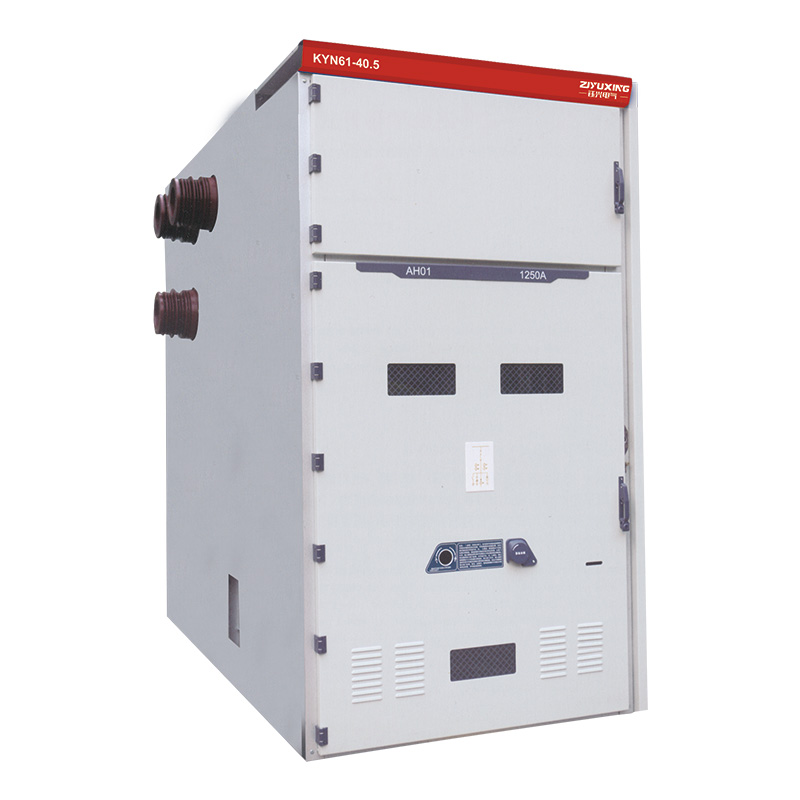
How Aging Distribution Cabinets Increase Energy Waste
How Aging Distribution Cabinets Contribute to Energy Inefficiency
Old electrical distribution cabinets start losing efficiency as materials break down over time and designs become obsolete. When contact points wear out, they create higher resistance which turns around 15% of the power being sent through them into wasted heat, something industry experts have noted repeatedly. The insulation in these aging panels tends to crack and deteriorate, leading to those annoying phantom currents that leak electricity when they shouldn't. Meanwhile, many older setups still use busbar arrangements that just weren't built for today's much higher power demands, so impedance remains a problem that nobody really wants to deal with but everyone has to contend with nonetheless.
Common Issues in Outdated Distribution Boards: Corrosion, Loose Connections, and Wear
Three primary failure modes accelerate energy waste:
- Corroded conductors – Oxide layers increase contact resistance by 40–60% compared to clean surfaces
- Loose terminations – Can generate localized heating exceeding 200°F, wasting 3–5% of circuit capacity
- Insulation wear – Allows arcing that consumes 2–4% of system energy before reaching endpoints
Quantifying Energy Losses in Legacy Systems: Data From DOE Studies
According to a recent 2023 report from the Department of Energy, older electrical cabinets (those over 15 years in service) tend to show about 12% more distribution losses compared to newer systems. Let's put this into perspective for a typical mid-sized industrial facility operating at around 5 megawatts. The math adds up pretty quickly when we look at the numbers: approximately 6,300 megawatt hours get wasted each year, which amounts to roughly $740,000 in unnecessary expenses based on current commercial electricity pricing. Most of these energy losses actually happen right at the connection points throughout the system. Older equipment simply doesn't interface as efficiently anymore, creating what engineers call impedance mismatches that sap performance across the board.
Modern Components That Boost Distribution Cabinet Efficiency
Upgrading to Energy-Efficient Switchgear for Reduced Power Loss
Modern switchgear reduces energy losses by 6–9% compared to conventional models through precision-engineered contacts and vacuum interruption technology. These components minimize arcing and contact resistance—key contributors to wasted energy in aging systems.
The Role of Circuit Breakers, Busbars, and Monitoring Equipment in Energy Management
Smart circuit breakers with adaptive load sensing prevent phantom draws during low-demand periods. Copper-nickel busbars coated with anti-oxidation layers demonstrate 25% lower impedance than traditional aluminum counterparts, as shown in 2023 electrical infrastructure studies. Integrated thermal sensors and power quality analyzers enable real-time adjustments to prevent energy leaks.
Using Energy-Efficient Components in Distribution Cabinets to Minimize Heat Generation
High-conductivity alloys in terminal blocks and phase barriers reduce operating temperatures by 12–18°C compared to standard materials. This directly addresses the 1.5% efficiency loss per 5°C temperature increase documented in legacy systems.
Case Study: Retrofitting Old Panels with Low-Resistance Busbars Reduces Losses by 18%
A regional utility company replaced aging aluminum busbars in 47 distribution cabinets with silver-plated copper alternatives. The $310,000 upgrade achieved:
| Metric | Before Retrofit | After Retrofit |
|---|---|---|
| Annual Energy Losses | 2.87 GWh | 2.35 GWh |
| Maintenance Costs | $184,000 | $92,000 |
| Peak Load Capacity | 82% | 94% |
The project eliminated 412 metric tons of CO₂ emissions annually while extending equipment lifespan by 7–10 years.
Smart Monitoring and Load Management for Optimal Performance
Modern distribution cabinets integrate advanced load balancing systems to prevent energy losses from overloaded circuits. By dynamically redistributing power across phases, these systems reduce peak demand charges by up to 15% while maintaining operational stability.
Load Balancing in Electrical Systems to Prevent Overloads and Inefficiencies
Real-time load monitoring identifies imbalances that strain equipment and increase energy waste. For example, smart metering systems automatically shift non-critical loads to off-peak periods, lowering grid dependency during high-tariff hours.
Strategies for Optimizing Circuit Breakers for Energy Efficiency
Upgrading to adaptive trip units allows circuit breakers to align with actual load profiles, minimizing unnecessary power draw. Thermal-magnetic trip settings adjusted to match seasonal demand reduce idle energy consumption by 8–12% in commercial settings.
Using Energy Monitoring Devices in Distribution Systems for Actionable Insights
IoT-enabled sensors detect anomalies like voltage sags or harmonic distortions, enabling corrective actions before inefficiencies escalate. A 2023 study found facilities using predictive analytics reduced reactive power waste by 19% compared to manual monitoring.
Smart PDUs and IoT-Enabled Switchgear for Continuous Performance Tracking
Intelligent power distribution units (PDUs) track energy usage per circuit, identifying underutilized assets. One manufacturer’s IoT switchgear cut phantom load losses by 27% through automated shutdown of idle equipment.
Case Study: Commercial Building Achieves 22% Energy Savings Using Smart Monitoring
A mid-rise office complex retrofitted its distribution cabinets with cloud-connected monitors and load-shedding algorithms. Over 12 months, the system averted 182 MWh of waste through optimized HVAC cycling and lighting schedules, saving $18,700 annually (EnergyStar 2023).
Thermal and Voltage Optimization in Modern Distribution Cabinets
How Poor Thermal Management Increases Energy Waste
When distribution cabinets get too hot, it really messes with how efficiently electricity flows because the heat increases resistance in all those conductive parts inside. The numbers don't lie either - studies show that if temperatures climb just 10 degrees Celsius past what's considered normal, copper busbars start losing about 4% more resistance, which means even bigger losses over time according to DOE research from last year. And let's face it, most facilities still have old ventilation systems and cheap insulation materials hanging around. These issues cause components to break down faster than they should, making entire electrical systems strain themselves just to keep voltages stable across the board.
Incorporating Ventilation, Cooling, and Insulation Upgrades for Efficiency
Modern thermal solutions combine active cooling systems with advanced materials to combat energy waste:
- Aerogel-lined enclosures reduce heat transfer by 60% compared to traditional fiberglass
- Variable-speed fans adjust airflow based on real-time temperature sensors
- Phase-change materials in busbar coatings absorb excess heat during peak loads
How Stable Voltage Levels Reduce Energy Losses in Distribution Systems
Voltage variations as small as ±5% can increase distribution cabinet energy losses by up to 12% according to the 2024 Electrical Efficiency Report. Maintaining tight voltage regulation (within ±1%) through modern voltage optimization devices minimizes:
- Eddy current losses in magnetic components
- Reactive power demand from induction motors
- Harmonic distortion in three-phase systems
Impact of Voltage Fluctuations on Connected Equipment and Efficiency
Frequent voltage sags and swells force connected equipment like VFDs and servers to draw 15–20% more current to compensate. This not only increases energy costs but reduces the operational lifespan of sensitive electronics by 30–40%, creating a hidden efficiency penalty in aging distribution systems.
Maintenance and Long-Term Energy Efficiency Sustainability
Regular Maintenance of Distribution Boards to Sustain Efficiency Gains
Studies from the Department of Energy back up what many facility managers already know: regular maintenance keeps around 92% of those hard-won energy savings intact in electrical distribution cabinets over a decade. Let's face it, dust builds up on those busbars pretty fast and can actually raise resistance levels by as much as 17% each year. And don't get me started on those oxidized connections that lead to annoying voltage drops between 3 and 5%. The smart folks in the field now mix traditional methods with modern tech like infrared cameras alongside old school contact resistance tests. This combo helps spot problems long before they start messing with system performance. A recent report on energy sustainability showed something interesting too. Companies that stick to quarterly checkups instead of waiting for annual inspections cut down on emergency repairs by almost half compared to their counterparts who follow the yearly schedule.
Preventive Strategies: Cleaning, Tightening, and Thermal Imaging Inspections
Critical maintenance actions include:
- Contact Surface Renewal: Removing oxidation from busbars with fiberglass brushes (0.15Ω resistance reduction average)
- Torque Verification: Re-tightening connections to manufacturer specifications prevents 63% of loose terminal failures (NEMA 2023)
- Thermographic Surveys: Detects hotspots exceeding 85°C—the threshold where copper conductivity drops 8%
A 2-year study of 1,200 distribution cabinets showed facilities using predictive maintenance software achieved 19% lower energy losses than reactive approaches (IEEE 2022).
Industry Paradox: Higher Initial Heat Output vs. Long-Term Energy Savings
Distribution cabinets these days tend to generate about 12 to 15 percent more heat at startup because of all the fancy monitoring circuits they have built in. But despite this extra heat, they actually save energy overall when managing loads precisely. The reason? Those embedded sensors need around 300 to 500 watts running nonstop just to stop those nasty 5 to 10 kilowatt losses that happen when faults go unnoticed. Looking at things over seven years, cabinets with better thermal designs cut down on wasted energy by nearly 27% compared to old school models that rely on passive cooling methods according to ASHRAE's findings from last year.
Frequently Asked Questions
Why do aging distribution cabinets contribute to energy waste?
Aging distribution cabinets contribute to energy waste due to decreased efficiency from worn-out contact points, deteriorating insulation, and outdated designs that can't handle modern power demands, leading to high resistance and energy losses.
What are common issues found in outdated distribution boards?
Common issues include corroded conductors which increase contact resistance, loose terminations generating excessive localized heat, and insulation wear causing current leaks before energy reaches endpoints.
How can upgrading distribution cabinet components improve energy efficiency?
Upgrading to modern components such as precise switchgear, copper-nickel busbars, and smart circuit breakers can significantly reduce arcing, impedance, and energy waste, while advanced thermal management helps minimize heat generation.
What maintenance strategies are effective for distribution cabinets?
Effective maintenance strategies include regular scheduled inspections, cleaning and tightening connections, and utilizing thermal imaging to detect hotspots, all of which sustain energy efficiency and extend equipment lifespan.
How does smart monitoring aid in energy savings?
Smart monitoring systems provide real-time data on load distribution, allowing facilities to shift non-critical loads during off-peak periods, prevent overloads, and optimize energy use, reducing waste and saving costs.
Table of Contents
- How Aging Distribution Cabinets Increase Energy Waste
-
Modern Components That Boost Distribution Cabinet Efficiency
- Upgrading to Energy-Efficient Switchgear for Reduced Power Loss
- The Role of Circuit Breakers, Busbars, and Monitoring Equipment in Energy Management
- Using Energy-Efficient Components in Distribution Cabinets to Minimize Heat Generation
- Case Study: Retrofitting Old Panels with Low-Resistance Busbars Reduces Losses by 18%
-
Smart Monitoring and Load Management for Optimal Performance
- Load Balancing in Electrical Systems to Prevent Overloads and Inefficiencies
- Strategies for Optimizing Circuit Breakers for Energy Efficiency
- Using Energy Monitoring Devices in Distribution Systems for Actionable Insights
- Smart PDUs and IoT-Enabled Switchgear for Continuous Performance Tracking
- Case Study: Commercial Building Achieves 22% Energy Savings Using Smart Monitoring
- Thermal and Voltage Optimization in Modern Distribution Cabinets
- Maintenance and Long-Term Energy Efficiency Sustainability
-
Frequently Asked Questions
- Why do aging distribution cabinets contribute to energy waste?
- What are common issues found in outdated distribution boards?
- How can upgrading distribution cabinet components improve energy efficiency?
- What maintenance strategies are effective for distribution cabinets?
- How does smart monitoring aid in energy savings?