
 EN
EN
 DA
DA
 NL
NL
 FI
FI
 FR
FR
 DE
DE
 AR
AR
 BG
BG
 CS
CS
 EL
EL
 HI
HI
 IT
IT
 JA
JA
 KO
KO
 NO
NO
 PT
PT
 RO
RO
 RU
RU
 ES
ES
 SV
SV
 TL
TL
 ID
ID
 LT
LT
 SK
SK
 UK
UK
 VI
VI
 SQ
SQ
 HU
HU
 TH
TH
 TR
TR
 AF
AF
 MS
MS
 BN
BN
 KN
KN
 LO
LO
 LA
LA
 PA
PA
 MY
MY
 KK
KK
 UZ
UZ
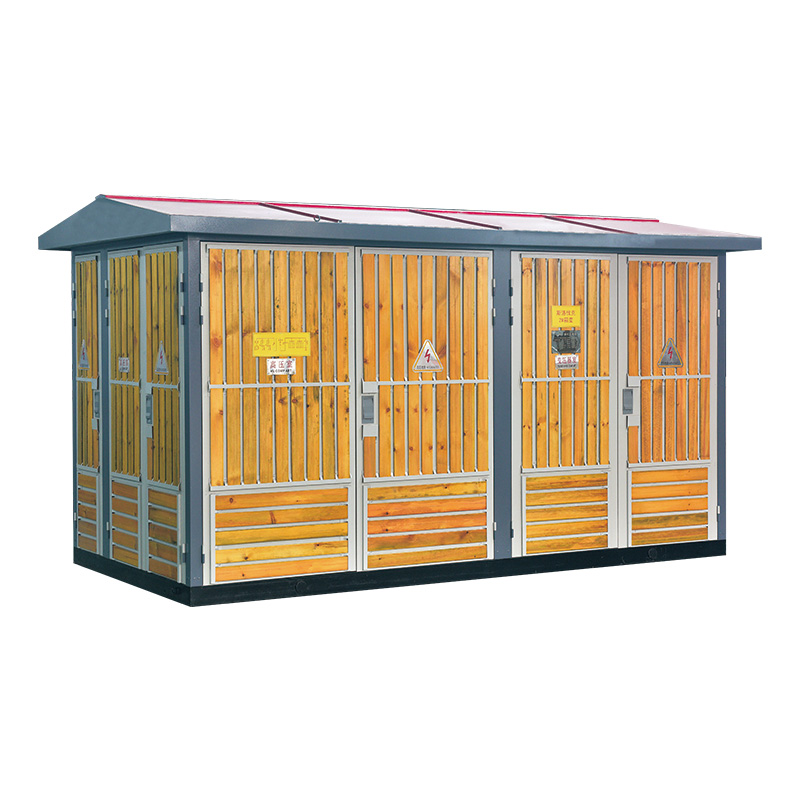
Core and Winding: Material Selection and Precision Manufacturing
High-permeability silicon steel lamination in core manufacturing
The production of American box transformers begins with 0.23mm-thick grain-oriented silicon steel laminations, which reduce eddy current losses by 35% compared to conventional steels. With a saturation flux density of 1.9T, this material ensures consistent permeability, enabling efficient magnetic circuit design and minimizing no-load current.
Laser-cutting and stacking techniques to minimize losses
Advanced CNC laser systems cut laminations to ±0.05mm tolerances, forming interlocking joints that achieve a 98% stacking factor. Automated vision systems verify alignment between layers, limiting gap-induced flux leakage to under 2% of total magnetic flux—essential for reaching 99.5% energy efficiency in medium-voltage transformers.
Precision winding techniques for low-voltage and high-voltage coils
Robotic winding machines maintain tension at 3.5–4.0 N/m², ensuring conductor spacing accuracy within 0.1mm. For high-voltage windings (≥69kV), diamond-pattern winding creates 8–12 radial cooling ducts without compromising dielectric strength. This precision reduces hot-spot temperatures by 25% under full load, enhancing thermal performance and longevity.
Insulation materials and impregnation methods in winding
Cyanate ester-impregnated cellulose paper delivers 18kV/mm dielectric strength while meeting 85°C thermal class ratings. After winding, vacuum-pressure impregnation (VPI) at 0.1Pa eliminates microvoids, achieving partial discharge levels below 0.5%—exceeding IEEE C57.12.00-2022 requirements for dry-type transformers.
Assembly Integration and Enclosure Construction
Power Transformers Active-Part Assembly Under Controlled Environments
Active components—core, windings, and insulation—are assembled in ISO Class 7 cleanrooms to prevent particulate contamination. Humidity is maintained below 40% RH to limit moisture absorption in cellulose-based insulation, while automated lifting systems position 15-ton cores with ±0.5 mm alignment accuracy, ensuring structural and electromagnetic integrity.
Clamping Mechanisms and Pressure Control During Assembly
Hydraulic clamping systems apply uniform 12 MPa pressure to stabilize laminated cores, reducing audible noise by 18 dB over manual bolting methods. Calibrated spring washers retain 90% of initial clamping force after 10,000 thermal cycles, according to a 2023 study, supporting long-term reliability and seismic resilience.
Fabrication of Weather-Resistant Tanks per ANSI/IEEE Standards
The enclosures themselves come from ASTM A572 Grade 50 steel that's been cold rolled down to around 6 mm thick. This meets those ANSI C57.12.28 standards for fighting off corrosion pretty well. When it comes to welding, we're talking about robotic systems here that manage to create seams with almost no pores at all - somewhere close to 98% free of them actually. We check these welds using ultrasonic testing just to be sure everything holds up. And then there's the coating system. Multiple layers of epoxy polyurethane protect against the elements. These finishes can take about 1,500 hours of salt spray exposure before showing signs of wear. That's double what the IEC 60068-2-11 standard asks for, so they really stand up to tough conditions out there in the field.
Corrosion Protection and Grounding Systems in Tank and Enclosure Preparation
Zinc-rich primers containing 85% zinc by weight provide cathodic protection, enhanced by sacrificial aluminum anodes in coastal installations. Multi-point grounding grids use 50 mm² copper straps to maintain less than 0.05 Ω resistance across all enclosure points, complying with IEEE 80-2013 safety standards.
Integration of Bushings, Tap Changers, and Cooling Fins
Before condenser type bushings get sealed inside their enclosures through epoxy vacuum methods, they must pass partial discharge tests at about 1.2 times their normal operating voltage. For on load tap changers, we've started integrating those wireless PT100 sensors which keep track of temperatures within each winding zone right down to plus or minus 1.5 degrees Celsius across all 32 sections. And when it comes to cooling systems, extruded aluminum fins have become pretty standard these days. They actually boost the available surface area by around 240 percent over old fashioned corrugated panels, which means much better heat management overall. Most engineers will tell you this makes a world of difference in how equipment handles thermal stress during operation.
Quality Assurance, Testing, and Final Validation
Power Transformers Final Assembly With Strict Alignment Checks
When setting up core-coil assemblies, laser guidance systems ensure proper placement in spaces where humidity stays under 45%. This controlled environment helps keep insulation from breaking down over time. For bushings and tank penetrations, we stick to tight mounting specs around +/- 0.5 mm. Getting those measurements right makes all the difference when it comes to preventing oil leaks during operation. Before any sealing takes place, automated optical scanners check that everything lines up properly in terms of phase alignment and whether the magnetic circuits are continuous. These checks follow standard industry protocols for quality control, but they're not just box-ticking exercises – they actually make a measurable impact on long term reliability.
Quality Control and Testing in Transformer Manufacturing During Integration
Each integration stage includes real-time dielectric monitoring via phased array ultrasonic testing (PAUT). Thermal imaging detects hotspots exceeding 85°C during no-load trials, prompting immediate adjustments to coil tightness. These multistage checks align with ANSI C57.12.90 and reduce field failure risks by 32% compared to legacy inspection approaches (Ponemon 2023).
Routine and Type Tests Including Turns Ratio, Impedance, and Dielectric Testing
All units undergo standardized validation sequences:
- Turns ratio tests using 0.1% accuracy bridge comparators
- Impedance verification under 115% rated current simulations
- Dielectric withstand trials at 65 kV for one minute
These procedures exceed IEEE Std C57.12.00 benchmarks, with integrated validation processes ensuring 99.8% consistency between design specifications and final output.
Phenomenon: Impact of Microvoids in Insulation Detected During QA
Partial discharge mapping now identifies microvoids as small as 10 μm in epoxy-resin insulation—critical because even 0.1% void content can shorten transformer lifespan by 7–12 years (IEEE C57.12.00-2022). Through automated VPI cycles, void content is limited to 0.02%, confirmed via X-ray diffraction analysis during final QA sign-off.
Finishing, Packaging, and Delivery Workflow
Finishing Touches: Painting, Labeling, and Nameplate Verification
Final surface treatments enhance durability and regulatory compliance. Electrostatic painting applies corrosion-resistant coatings tailored to operational environments. Laser-etched labels ensure permanent identification of electrical ratings, while barcode scanning cross-checks nameplate data against design specs, catching discrepancies such as 0.2% voltage mismatches prior to shipment.
Packaging and Delivery Logistics for Rugidized Transport
Heavy transformers weighing as much as 12,000 pounds get shipped inside specially designed crates with reinforced wood frames and built-in suspension systems that work on multiple axes. During transport, these shipments come equipped with GPS tracking that works within geographic boundaries and vibration sensors that constantly check what's happening during transit. When things go beyond the safe limits set by ANSI standards for transformer shipping, the system sends out alerts right away. Companies using this kind of monitored shipping have seen their damage claims drop by about one third compared to older methods according to research published by the Transportation Research Board last year.
Trend: IoT-Enabled Monitoring During Shipment and Installation
Smart pallets equipped with embedded temperature and humidity sensors generate chain-of-custody records, automatically flagging excursions beyond NEMA TS1 environmental thresholds. Installation crews access these logs via QR codes, adjusting placement strategies based on observed thermal cycling—affecting 18% of units—to optimize performance post-delivery.
Strategy: Modular Pre-Assembly to Reduce Field Errors
Manufacturers pre-assemble and test HV/LV coils with matched insulation kits, reducing on-site error rates from 9.3% to 1.7% (IEEE Power Engineering Society 2024). Each kit includes torque-controlled tools and augmented reality guides that overlay connection diagrams onto physical components during commissioning, streamlining final installation and verification.
FAQ
What materials are used in transformer core manufacturing to enhance efficiency?
High-permeability silicon steel laminations, with a thickness of 0.23mm, are used to optimize magnetic circuit design and minimize no-load current.
How do laser-cutting techniques contribute to energy efficiency in transformers?
Advanced CNC laser systems ensure precise cutting of laminations with ±0.05mm tolerance, forming interlocking joints that improve stacking factor to 98%, thus minimizing flux leakage.
What methods are used for insulation impregnation in transformer winding?
Vacuum-pressure impregnation (VPI) is used after winding, enhancing dielectric strength and achieving low partial discharge levels to meet advanced IEEE standards.
How are transformers protected against corrosion?
Transformer tanks are made from robust ASTM A572 Grade 50 steel and feature a multi-layer epoxy polyurethane coating, and zinc-rich primers for superior corrosion resistance.
What quality assurance measures are taken during transformer assembly?
Real-time dielectric monitoring, thermal imaging, and strict alignment checks using laser guidance systems are employed to prevent insulation breakdown and ensure operational reliability.
Table of Contents
- Core and Winding: Material Selection and Precision Manufacturing
-
Assembly Integration and Enclosure Construction
- Power Transformers Active-Part Assembly Under Controlled Environments
- Clamping Mechanisms and Pressure Control During Assembly
- Fabrication of Weather-Resistant Tanks per ANSI/IEEE Standards
- Corrosion Protection and Grounding Systems in Tank and Enclosure Preparation
- Integration of Bushings, Tap Changers, and Cooling Fins
- Quality Assurance, Testing, and Final Validation
- Finishing, Packaging, and Delivery Workflow
-
FAQ
- What materials are used in transformer core manufacturing to enhance efficiency?
- How do laser-cutting techniques contribute to energy efficiency in transformers?
- What methods are used for insulation impregnation in transformer winding?
- How are transformers protected against corrosion?
- What quality assurance measures are taken during transformer assembly?