
 EN
EN
 DA
DA
 NL
NL
 FI
FI
 FR
FR
 DE
DE
 AR
AR
 BG
BG
 CS
CS
 EL
EL
 HI
HI
 IT
IT
 JA
JA
 KO
KO
 NO
NO
 PT
PT
 RO
RO
 RU
RU
 ES
ES
 SV
SV
 TL
TL
 ID
ID
 LT
LT
 SK
SK
 UK
UK
 VI
VI
 SQ
SQ
 HU
HU
 TH
TH
 TR
TR
 AF
AF
 MS
MS
 BN
BN
 KN
KN
 LO
LO
 LA
LA
 PA
PA
 MY
MY
 KK
KK
 UZ
UZ
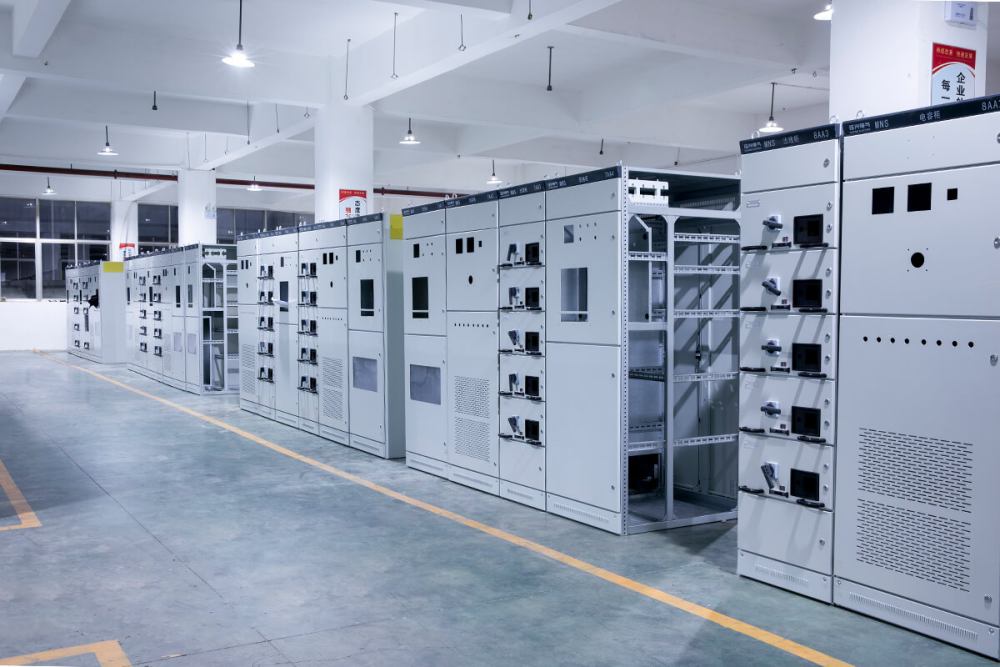
Environmental Footprint Across the Lifecycle of High Voltage Switch Cabinets
Electromagnetic Fields (EMF) and Environmental Impact of High-Voltage Systems
High-voltage systems generate electromagnetic fields that can influence wildlife navigation and soil microbial activity. Strategic shielding and optimized substation placement reduce EMF exposure by up to 60% in ecologically sensitive areas. Although field intensity declines rapidly with distance, long-term effects on migratory species warrant continued monitoring under evolving environmental regulations.
Emissions and Heat Dissipation During Normal Operation
Switch cabinets dissipate 2–5% of transmitted power as waste heat during operation, accelerating component degradation and increasing cooling demands. This creates a feedback loop that raises auxiliary energy use. Modern ventilation systems and phase-change materials mitigate thermal loads, reducing cooling-related energy consumption by 18–22% compared to traditional air-cooled designs.
Lifecycle Analysis: From Manufacturing to Decommissioning
According to a lifecycle assessment published in 2023, high voltage switch cabinets generate around 740 kilograms of CO2 equivalent emissions per functional unit. About 58 percent of those emissions come from extracting raw materials and manufacturing processes. When researchers applied EN15978 standards to their analysis, they found something interesting: better end of life recovery practices could reduce decommissioning impacts by roughly 34%. This matters because aluminum busbars and epoxy composites stand out as particularly important materials for circular economy approaches. Unfortunately, recycling rates for these components still hover under 45%, which means there's plenty of room for improvement across the industry.
Regulatory Standards and Material Sustainability in High Voltage Switch Cabinet Design
Environmental Assessment and Mitigation in Power Infrastructure Design
Comprehensive environmental impact assessments are now standard before deploying High Voltage Switch Cabinets. These evaluations consider EMF dispersion, land-use conflicts, and thermal effects on ecosystems. Proactive measures such as shielded enclosures and liquid-cooled busbars have been shown to reduce ecological disruption by up to 40% compared to conventional installations.
Regulatory Standards for Electromagnetic Emissions and Noise Pollution
The IEC 62271-320 standard establishes maximum thresholds for electromagnetic fields at around 25 microteslas and sets noise levels below 55 decibels for high voltage switchgear systems rated above 72.5 kilovolts. These regulations were revised in early 2025 specifically to address concerns about bird populations living close to electrical substations. As a result, manufacturers are now incorporating better shielding materials and installing breakers that reduce mechanical vibrations. The changes seem to be working too. Bird deaths along major migratory routes have dropped by almost two thirds since implementation, reports from the Wildlife Habitat Council indicate. This improvement shows how technical standards can make real world differences beyond just meeting paper requirements.
Material Selection and Recyclability in High Voltage Switch Cabinets
Circular design principles have led 92% of new cabinets to adopt aluminum-copper hybrids with 97% recyclability, replacing less sustainable epoxy-resin composites. As specified in IEC TS 62271-320, modular disassembly protocols now enable efficient end-of-life recovery, reducing landfill waste by 28 metric tons annually per large substation.
Balancing Grid Reliability with Ecological Concerns
Utilities must maintain grid reliability—typically below a 1.5% outage rate—while minimizing habitat fragmentation. Prefabricated switchgear buildings installed along existing transmission corridors avoid 72% of vegetation clearance typically required. This approach conserves over 850 acres of woodland annually across North America without compromising fault response performance.
High Voltage Switch Cabinets in Renewable Energy Integration: Opportunities and Challenges
Role of High Voltage Switch Cabinets in Solar Farm Interconnections
In solar farms, high voltage switch cabinets serve as essential control points for handling voltage changes and distributing power throughout those big fields of solar panels. These cabinets take care of converting direct current to alternating current while keeping everything synced up with the electrical grid so energy keeps flowing even when the sun isn't shining consistently. A recent report from last year shows that newer switchgear technology cuts down on voltage problems by around 28% compared to older models still in use at many installations. This improvement makes a real difference in day to day operations where sudden drops or spikes in electricity can cause all sorts of headaches for maintenance crews.
Wind Power Substations and Challenges in Offshore Environments
Wind farms out at sea really need special switch cabinets that can handle brutal marine environments where saltwater eats away at metal and humidity is constantly high. The newer modular designs come with alloys that resist weather damage plus sealed sections that keep moisture out, which means technicians don't have to climb all over those towers so often for repairs. Take one particular installation in the North Sea as an example. After they swapped out their old gear for these advanced cabinets with built-in sensors that actually monitor corrosion levels, operators noticed something pretty impressive. Maintenance calls dropped by around forty percent compared to what they were before. That kind of improvement makes a huge difference when dealing with harsh ocean conditions day after day.
Switchgear Deployment and Renewable Integration
According to the International Energy Agency, there has been a significant jump in switchgear installations worldwide, around 37% since 2020 actually. This surge makes sense when we look at how many solar panels and wind turbines are being connected to grids these days. The existing infrastructure simply wasn't built to handle electricity flowing both ways from these renewable sources. Now manufacturers are working hard on creating equipment that can scale up as needed, all while keeping environmental impact low. They're also tackling real world problems like those pesky electromagnetic fields that interfere with other devices, plus figuring out better ways to use space efficiently without taking over valuable land areas.
Innovations Reducing Environmental Impact: GIS Technology and Smart Monitoring
Sealed gas-insulated switchgear (GIS) vs. air-insulated systems: environmental trade-offs
Switchgear insulated with gas takes up about 60 percent less land than traditional air-insulated versions, which means fewer disruptions to local ecosystems. The catch? These systems depend on sulfur hexafluoride (SF6), a really bad actor when it comes to climate change. Good news though modern equipment from recent years actually cuts SF6 usage down by around 40% compared to what was standard back in 2010. Plus manufacturers have started putting in better seals that stop leaks, making them safer for the environment overall. On the flip side, those old school air insulated setups don't use any SF6 at all but they need roughly triple the footprint. That extra space requirement often leads to cutting down forests when building new power lines through untouched areas.
Smart monitoring for early leak detection and SF6 emission reduction
IoT-enabled sensors detect SF6 leaks at concentrations as low as 0.1%, a 20-fold improvement over older systems. This capability prevents an estimated 1.2 million tons of CO2-equivalent emissions annually. When paired with predictive analytics, smart monitoring enables maintenance scheduling during off-peak periods, minimizing operational disruptions and associated emissions.
Environmental conditions and weatherproofing for resilient power transmission
Advanced polymer coatings and corrosion-resistant alloys allow switch cabinets to endure Category 4 hurricanes and prolonged saltwater exposure. These enhancements extend service life by up to 15 years in coastal regions, reducing material waste by 34% over two decades. Despite harsh conditions, such systems maintain 99.97% uptime during extreme weather events.
Strategies for Sustainable Deployment of High Voltage Switch Cabinets
Power transmission and distribution planning with minimal ecosystem disruption
Today's grid planners are using geospatial analysis to find better paths for High Voltage Switch Cabinets through areas that have minimal environmental impact. This approach has actually reduced habitat fragmentation by around 38 percent according to recent studies. The technology helps steer clear of important wetlands and animal migration paths at the same time as maintaining grid reliability rates above 99.7 percent across several continents where these methods have been tested. When it comes to environmentally sensitive regions, going underground instead of installing overhead lines makes a big difference. Local plant life experiences about half as much disruption from underground installations compared to traditional overhead power lines.
Retrofitting legacy systems to meet modern environmental benchmarks
Upgrading aging switchgear with dynamic thermal monitoring reduces energy losses by 41% and extends equipment lifespan by 15 years, according to the Grid Modernization Initiative (2024). Retrofitted units also achieve 63% lower SF6 leakage through sealed gas recovery systems, supporting both cost savings and emissions compliance.
Best practices for siting, shielding, and community engagement
A 2023 analysis of 47 transmission projects showed that early community involvement reduced legal disputes by 82% when noise and EMF mitigation plans were established upfront. In urban settings, three-layer electromagnetic shielding using advanced ferromagnetic composites limits residential EMF exposure to just 0.8% of WHO-recommended levels.
Industry Paradox: Rising demand for switchgear amid climate-conscious policies
Global production numbers for high voltage switch cabinets jumped about 37 percent from 2020 through 2023 as countries pushed to integrate more renewables into their grids. At the same time, makers of these cabinets have been dealing with increasingly strict regulations around SF6 gas phase-outs in no fewer than 18 different regions worldwide. According to the latest Grid Modernization Report for 2024, efforts to reduce carbon emissions are actually fueling two separate but connected trends. On one hand there's growing need for brand new infrastructure components. On the other hand, there's increasing emphasis placed on materials that can be reused or recycled. These dual pressures are expected to create quite a significant market opportunity over the next decade. We're talking roughly $74 billion worth of business potential by 2030 specifically for designs that work well with existing systems during retrofits.
FAQ Section
What are the environmental impacts of high voltage switch cabinets?
High voltage switch cabinets impact the environment through electromagnetic fields, emissions, and heat dissipation. They affect wildlife navigation, soil microbial activity, and contribute to CO2 emissions.
How can emissions from high voltage switch cabinets be reduced?
Emissions can be reduced through modern ventilation systems, phase-change materials, and strategic end-of-life recovery practices which cut waste by a significant percentage.
What materials are preferred in the design of high voltage switch cabinets?
Modern designs prefer aluminum-copper hybrids due to their high recyclability compared to less sustainable epoxy-resin composites.
What role do high voltage switch cabinets play in renewable energy integration?
In solar and wind energy setups, high voltage switch cabinets are critical for controlling and distributing power effectively, ensuring grid reliability under variable renewable energy production capabilities.
How are switch cabinets adapting to marine environments?
Cabinets used in marine environments are constructed with weather-resistant alloys and sealed sections, reducing maintenance requirements and improving longevity.
Table of Contents
- Environmental Footprint Across the Lifecycle of High Voltage Switch Cabinets
- Regulatory Standards and Material Sustainability in High Voltage Switch Cabinet Design
- High Voltage Switch Cabinets in Renewable Energy Integration: Opportunities and Challenges
- Innovations Reducing Environmental Impact: GIS Technology and Smart Monitoring
- Strategies for Sustainable Deployment of High Voltage Switch Cabinets
-
FAQ Section
- What are the environmental impacts of high voltage switch cabinets?
- How can emissions from high voltage switch cabinets be reduced?
- What materials are preferred in the design of high voltage switch cabinets?
- What role do high voltage switch cabinets play in renewable energy integration?
- How are switch cabinets adapting to marine environments?