
 EN
EN
 DA
DA
 NL
NL
 FI
FI
 FR
FR
 DE
DE
 AR
AR
 BG
BG
 CS
CS
 EL
EL
 HI
HI
 IT
IT
 JA
JA
 KO
KO
 NO
NO
 PT
PT
 RO
RO
 RU
RU
 ES
ES
 SV
SV
 TL
TL
 ID
ID
 LT
LT
 SK
SK
 UK
UK
 VI
VI
 SQ
SQ
 HU
HU
 TH
TH
 TR
TR
 AF
AF
 MS
MS
 BN
BN
 KN
KN
 LO
LO
 LA
LA
 PA
PA
 MY
MY
 KK
KK
 UZ
UZ
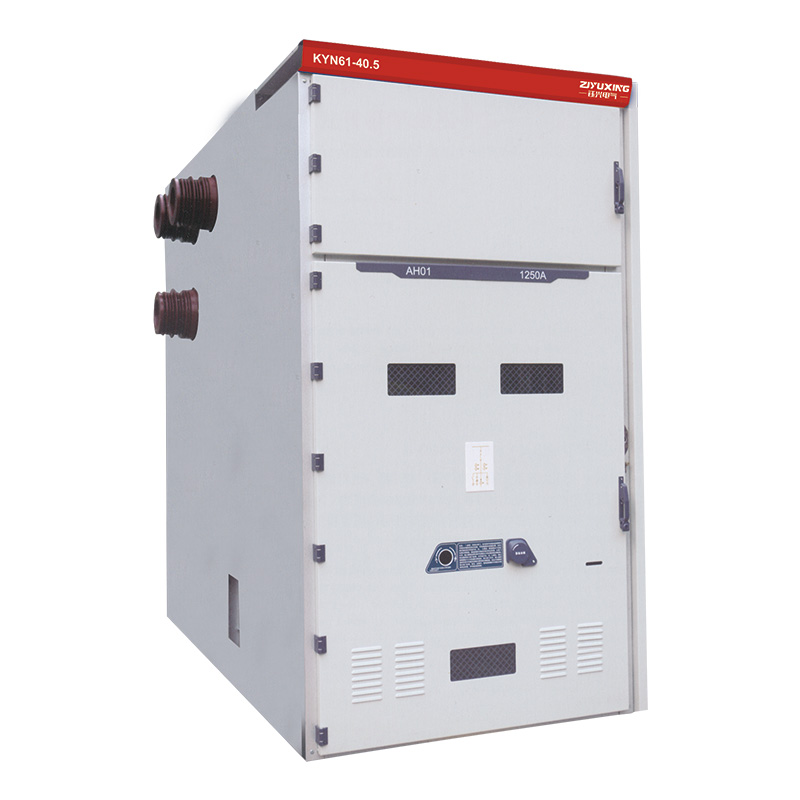
Importance of UL, IEC, and NEC Compliance for Safety and Interoperability
Compliance with UL 891, IEC 61439, and NEC Article 408 forms the bedrock of quality power distribution cabinets in industrial settings. The standards actually do more than just set rules they implement vital safety features that make a real difference on site. Take arc flash containment for instance studies show these safety measures cut down incident risks by around two thirds in systems that meet compliance requirements. Plus they help maintain accurate voltage thresholds which matters a lot when equipment needs stable power. Factory data from 2023 reveals something interesting manufacturers who stick to international electrical standards face roughly 89 percent fewer problems when integrating components from different vendors. Looking at specifics, the IEC 61439-2 regulation requires physical barriers between different parts of the cabinet system. This simple requirement boosts how well faults are contained during incidents making certified cabinets almost four times better at preventing damage compared to their non-certified counterparts.
Certification Needs Across Industrial and Commercial Applications
Manufacturing operations in industrial settings generally need ISO 9001 certification for quality management systems, plus IEC 61936-1 standards must be met for any high voltage work. When it comes to commercial buildings, proper ground fault protection according to NEC codes is absolutely critical. Most electricians will tell you this - around three out of four inspections find problems with branch circuits not meeting code requirements, according to that NFPA report from last year. Data centers and similar hybrid spaces are starting to go the extra mile by getting both UL 508A certification for their control panels and ISO 14001 accreditation for managing environmental impact. Makes sense really, since these facilities often straddle multiple regulatory domains at once.
Environmental Resilience: IP/NEMA Ratings and Harsh Environment Readiness
A high-quality power distribution cabinet must withstand environmental stressors to ensure uninterrupted operation. Selecting enclosures with appropriate IP (Ingress Protection) and NEMA (National Electrical Manufacturers Association) ratings ensures protection against dust, water, corrosion, and extreme temperatures.
Understanding IP and NEMA Ratings for Dust, Water, and Corrosion Resistance
The IP rating system comes from IEC 60529 standards and basically tells us how well something protects against dust and water. Take IP65 for example these enclosures can handle dust pretty well and even stand up to water sprayed at them from a hose. Then there's IP67 which means the device can survive being submerged in water about a meter deep for short periods. Over in North America, NEMA standards take things a step further. They cover stuff like corrosion resistance especially with NEMA 4X ratings, plus they account for problems that IP ratings don't touch on like ultraviolet light damage, ice buildup, oil getting inside equipment, and overall mechanical strength. A recent comparison between these systems shows just how much broader the NEMA approach actually is.
| Rating | Scope | Example Applications |
|---|---|---|
| IP67 | Dustproof, waterproof (1m) | Indoor/outdoor industrial |
| NEMA 4X | Watertight, corrosion-proof | Chemical plants, marine |
Enclosures Designed for Outdoor and Harsh Deployment Environments
Cabinets meant for outdoor use need strong materials like stainless steel or fiberglass reinforced polyester to stand up to harsh conditions. The NEMA 3R rating keeps them safe from rain and snowfall, whereas NEMA 4X makes sense in places near the coast where salt air can damage equipment over time. Many industrial setups go with either IP66 or NEMA 12 enclosures because they hit that sweet spot between what costs and how long they last. According to research published last year, around three quarters of medium sized businesses have started going for enclosures certified under both IP and NEMA standards when looking at long term solutions. For cooling purposes, passive vents equipped with screens against insects plus doors sealed with gaskets work pretty well too. They help protect against elements without messing up how hot things get inside the cabinet.
Thermal Management, Load Capacity, and Overload Protection
High-Current Capacity and Electrical Ratings for Demanding Applications
High-performance power distribution cabinets must support extreme electrical loads. UL-certified models rated for at least 600VAC and 400A continuous current are suitable for heavy machinery, EV charging stations, and data center UPS systems. Copper bus bars with 98% conductivity outperform aluminum equivalents, reducing resistive losses by 15–20% during peak demand.
Effective Thermal Management and Cooling Systems to Prevent Overheating
About half of all problems in industrial power systems come from overheating, which usually happens when heat doesn't escape properly. For regular workloads, most modern equipment cabinets rely on passive cooling methods. These include things like ventilated enclosures and heat sink designs that help dissipate warmth naturally. When the workload gets really heavy though, especially above around 25 kilowatts per cubic meter, companies need to switch to active cooling options. This might mean installing fans that kick in when it gets too hot or using liquid cooled bus bars for better heat control. Studies on how heat affects electrical systems show that these active cooling approaches keep things running cool inside, staying under 40 degrees Celsius even when operating near maximum capacity. Keeping temperatures down this way helps protect the insulation materials and stops components from wearing out before their time.
Safety Mechanisms: Overload Protection, Load Balancing, and Fire Prevention
Comprehensive safety systems include:
- Overload Protection: Circuit breakers with adjustable trip settings (50–400A) isolate faults within 0.5 cycles
- Arc Resistance: UL 508A-compliant enclosures contain arc flashes below 35 kA for 200ms
- Fireproofing: Ceramic-coated barriers endure 1,000°C for 15 minutes, surpassing NFPA 70E requirements
Passive vs. Active Cooling: Evaluating Solutions for Dense Installations
| Factor | Passive Cooling | Active Cooling |
|---|---|---|
| Heat Tolerance | Up to 15kW/m³ | 25–40kW/m³ |
| Maintenance | None | Filter replacements |
| Noise Level | 0 dB | 45–60 dB |
| Best For | Office buildings | Foundries, substations |
Passive designs suit stable-load environments, while active cooling is essential for variable-demand applications like renewable energy systems or AI-driven data halls. When deploying active cooling in harsh conditions, prioritize NEMA 4X or IP66-rated enclosures to protect sensitive components from dust and moisture.
Smart Monitoring, Modularity, and Future-Ready Design
Modular Layouts and Scalable Configurations for Long-Term Flexibility
Modern power distribution cabinets feature modular designs to accommodate evolving energy needs. Pre-engineered busbar systems and removable breaker panels allow upgrades without full system overhauls. Facilities using modular power systems report 40% less reconfiguration downtime than those with fixed layouts–crucial for dynamic sectors like manufacturing.
Cabinet Space Planning for Expandable and Scalable Deployments
Optimal cabinet design reserves 20–30% of internal space for future expansion. Standardized DIN rail mounts and vertically stacked busbars streamline the integration of new components. Data centers applying this strategy achieve 25% faster capacity scaling while remaining compliant with NEC spacing regulations.
Automated Load Balancing Through Expandable Distribution Systems
Smart cabinets utilize current sensors and programmable logic controllers to dynamically redistribute loads. This prevents phase imbalances and extends equipment lifespan by up to 15% in commercial buildings with fluctuating energy demands.
Real-Time Remote Monitoring and Predictive Maintenance Capabilities
IoT-enabled cabinets equipped with smart grid integration transmit real-time data on temperature, humidity, and load levels to centralized platforms. These systems detect early signs of insulation degradation 50% faster than manual inspections, according to a 2024 electrical safety study.
IoT Integration and Automated Alert Systems in Smart PDBs
Embedded edge-computing modules analyze power quality metrics such as THD (Total Harmonic Distortion) and voltage sags. When linked to SMS or email alert systems, they help facilities respond 30% faster to anomalies that exceed IEEE 519-2022 thresholds.
Evaluating Cost vs. ROI of Smart Features in Mid-Scale Operations
While smart monitoring increases initial costs by 15–20%, it delivers ROI within 18–24 months through energy efficiency and reduced downtime. A 2023 case study of food processing plants revealed predictive maintenance alone saved $120,000 annually in unplanned outage expenses.
Frequently Asked Questions
What are the primary international standards governing power distribution cabinets?
The primary standards include UL 891, IEC 61439, and NEC Article 408.
How do IP and NEMA ratings differ?
IP ratings from IEC 60529 focus on dust and water protection whereas NEMA standards cover additional criteria like corrosion resistance and mechanical strength.
What is the benefit of modular power systems?
Modular systems allow for upgrades without complete overhauls, reducing downtime and offering flexibility for evolving energy needs.
How does smart monitoring enhance power distribution?
Smart monitoring offers real-time data, predictive maintenance, and faster anomaly detection, improving efficiency and reducing downtime.
Table of Contents
- Importance of UL, IEC, and NEC Compliance for Safety and Interoperability
- Certification Needs Across Industrial and Commercial Applications
- Environmental Resilience: IP/NEMA Ratings and Harsh Environment Readiness
- Thermal Management, Load Capacity, and Overload Protection
-
Smart Monitoring, Modularity, and Future-Ready Design
- Modular Layouts and Scalable Configurations for Long-Term Flexibility
- Cabinet Space Planning for Expandable and Scalable Deployments
- Automated Load Balancing Through Expandable Distribution Systems
- Real-Time Remote Monitoring and Predictive Maintenance Capabilities
- IoT Integration and Automated Alert Systems in Smart PDBs
- Evaluating Cost vs. ROI of Smart Features in Mid-Scale Operations
- Frequently Asked Questions