
 EN
EN
 DA
DA
 NL
NL
 FI
FI
 FR
FR
 DE
DE
 AR
AR
 BG
BG
 CS
CS
 EL
EL
 HI
HI
 IT
IT
 JA
JA
 KO
KO
 NO
NO
 PT
PT
 RO
RO
 RU
RU
 ES
ES
 SV
SV
 TL
TL
 ID
ID
 LT
LT
 SK
SK
 UK
UK
 VI
VI
 SQ
SQ
 HU
HU
 TH
TH
 TR
TR
 AF
AF
 MS
MS
 BN
BN
 KN
KN
 LO
LO
 LA
LA
 PA
PA
 MY
MY
 KK
KK
 UZ
UZ
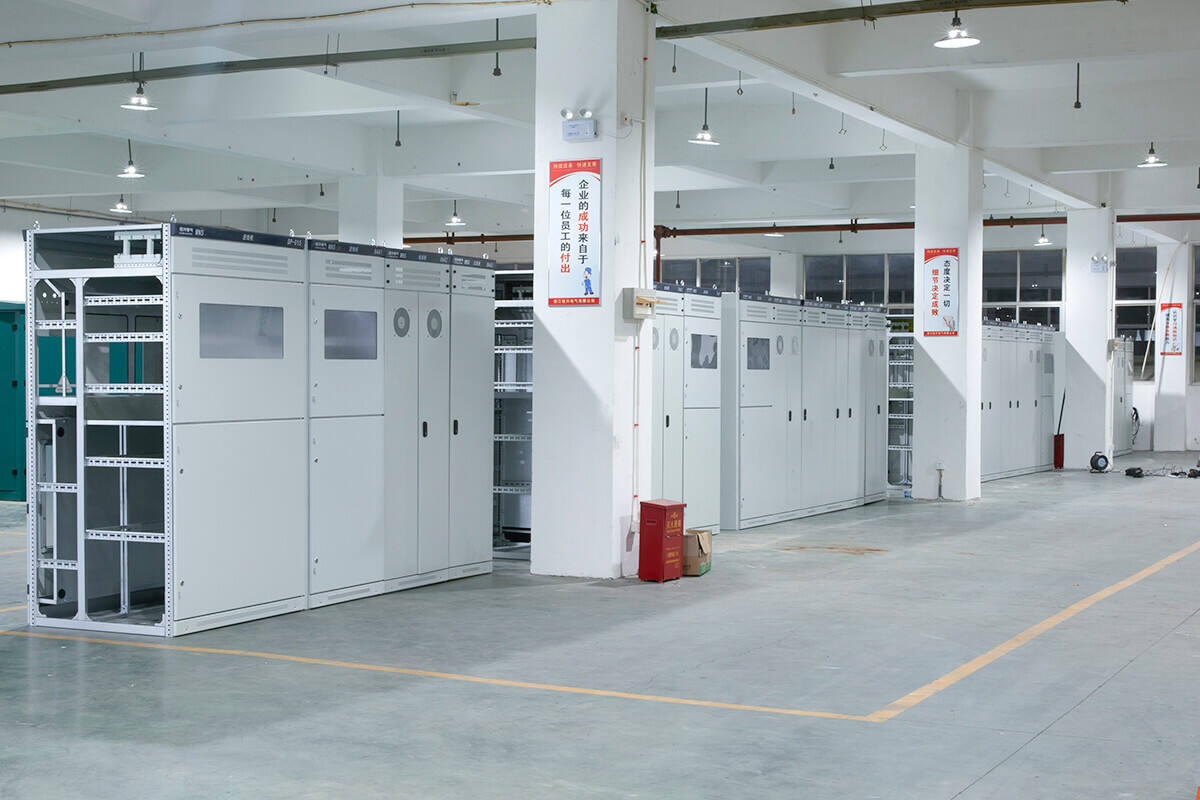
Understanding High Voltage Switch Cabinets and Core Functions
Defining high voltage switchgear and its role in power systems
In industrial settings, high voltage switch cabinets (HVSCs) play a vital role in how electricity gets distributed throughout facilities where voltages exceed 1 kilovolt. These cabinets house various essential parts like circuit breakers, disconnect switches, and monitoring gear that work together to manage the flow of power from generators all the way to machinery on factory floors. What makes these systems so important is their design approach. When components are separated into different compartments within the cabinet, it creates safety barriers against dangerous arc flashes and prevents short circuits. Plus, this setup allows for smarter power management options. Technicians can reroute electricity selectively when problems occur in the grid, which means production lines don't have to shut down completely during minor issues with the electrical supply.
Core functions: Isolation, protection, and fault interruption
Modern switch cabinets perform three essential roles:
- Isolation: Physically separating circuits during maintenance using visible break contacts
- Protection: Activating circuit breakers within 50 milliseconds to halt overloads exceeding 125% of rated current
- Fault interruption: Clearing short-circuit currents up to 63 kA using vacuum or SF6 interruption technology
This triad ensures 99.98% system uptime in critical environments like semiconductor plants and oil refineries.
Design features that enhance safety and operational efficiency
The best switchgear systems these days come equipped with gas insulated busbars, those tough IP67 rated enclosures that keep out dust and water, plus digital relays that stand up to rough environments. Maintenance becomes much easier with modular bay designs that shave off about 40% of the time spent on repairs compared to old school setups. And don't forget the IoT sensors built right in, they monitor temperatures at connection points in real time so problems can be spotted before they become disasters. When things do go wrong, pressure relief vents combined with arc resistant steel help contain any blasts from electrical faults. These features actually meet the strict IEEE C37.20.7 safety standards, but what really matters is that technicians aren't put at risk when unexpected failures happen.
Critical Safety Functions of High Voltage Switch Cabinets
Fault Detection and Automatic Isolation Mechanisms
Microprocessor-based relays detect anomalies within one cycle (1/60th of a second), triggering circuit breakers to isolate faulty sections instantly. This rapid response prevents cascading failures, with industry reports showing a 92% reduction in equipment damage when automatic isolation is implemented.
Protective Relays and Circuit Breakers in System Failure Prevention
Protective relays monitor current differentials between incoming and outgoing lines. When imbalances exceed 10%, they coordinate with vacuum circuit breakers to disconnect compromised circuits. This layered approach has proven 97% effective in preventing phase-to-phase faults, according to 2022 power grid reliability studies.
Arc Flash Mitigation Through Engineered Switchgear Design
Modern arc resistant switchgear features 12mm steel panels along with special pressure relief areas designed to push dangerous blasts away from workers. Some newer versions come equipped with sensors that spot arc flashes and trigger crowbar systems within just 2 milliseconds. This quick response brings down the energy exposure to less than 1.2 calories per square centimeter, meeting those strict NFPA 70E safety standards. The impact has been pretty significant actually. Factories reporting fewer arc flash injuries saw a drop of around three quarters since these improvements started rolling out back in 2020 across various manufacturing sectors.
Interlocks and Warning Systems to Reduce Human Error
Mechanical key exchange systems enforce de-energization through five verification stages before allowing access to live compartments. Integrated warning lights and RFID badge tracking create audit trails, contributing to a 63% drop in protocol violations compared to basic lockout/tagout procedures in 2024 safety audits.
Common Hazards and Risk Mitigation in High Voltage Environments
Key electrical hazards in industrial settings involving switch cabinets
There are basically three big problems with high voltage switch cabinets. First, there's the risk of getting shocked by conductors rated at 1 kV or higher. Then we have those dangerous arc flash events that can blast out more than 35 calories per square centimeter worth of heat energy. And finally, equipment tends to fail when insulation starts breaking down over time. Some research looking at automated manufacturing setups showed that about two thirds of all electrical accidents happen during maintenance work because people didn't properly isolate the circuits. For older switchgear (anything over 15 years old), roughly 40 percent of sudden arc flashes come from corroded busbars or connections on breakers that have come loose with age.
Electrical incident statistics: Insights from NFPA 70E
NFPA 70E compliance reduces arc flash injuries by 89%. Facilities ignoring mandated approach boundaries face 5.7 times higher incident rates, with 72% involving untrained personnel. The standard's hazard risk category (HRC) classifications prevent approximately 320 severe burns annually by enforcing voltage-specific PPE requirements.
PPE, barriers, and procedural controls for personnel protection
A comprehensive protection strategy includes:
- Insulated gloves (Class 4) and arc-rated suits rated at 40 cal/cm²
- Fixed barriers maintaining 1.2m clearance from energized parts
- Infrared windows for non-invasive thermal inspections
Facilities combining voltage-rated tools with capacitive detectors reduced contact injuries by 94%, while daily grounding checks and multi-lock hasps on disconnect switches prevented 83% of isolation-related incidents.
Safe Operation and Maintenance Practices for Long-Term Reliability
Proper maintenance of high voltage switch cabinets ensures both safety and extended service life, blending procedural discipline with advanced diagnostics.
Lockout/Tagout and Verification Procedures for Safe Operation
Lockout/tagout (LOTO) protocols prevent accidental re-energization during maintenance, with OSHA noting a 32% decline in electrical injuries since 2021 where formal LOTO programs are enforced. Modern systems enhance safety through dual verification via RFID tags and centralized software, confirming de-energization before technician access.
Grounding Techniques and Circuit Protection During Maintenance
Equipotential grounding establishes uniform potential zones around work areas, while portable grounding clusters provide low-resistance paths (<10 ohms) for induced currents. According to the EPRI 2023 Grid Safety Report, these methods reduce arc flash risks by 54% compared to traditional static grounding.
Thermal Imaging and Partial Discharge Testing for Early Fault Detection
Infrared surveys identify overheating in busbar connections before failure occurs, with NETA-certified technicians detecting 87% of incipient faults during routine scans. Modern partial discharge (PD) monitoring achieves 0.5pC sensitivity, enabling predictive replacement of deteriorating insulation.
Shift Toward Condition-Based Monitoring and Predictive Maintenance
IoT-enabled breakers transmit real-time contact wear data to AI models, predicting maintenance needs within ±72 hours. This shift from time-based to condition-driven servicing cuts unplanned outages by 61%, per 2024 industrial reliability studies.
Compliance and Technological Advancements in Modern Switchgear Safety
IEC 62271 and IEEE 386: Key Standards for High Voltage Switch Cabinets
Today's high voltage switch cabinets follow global standards like IEC 62271 and IEEE 386. These specs cover everything from how tight the design tolerances need to be, what kind of insulation performance is required, right down to how they handle faults when things go wrong. The real benefit? Systems built according to these rules work better together across different manufacturers. What's more important though, proper compliance cuts down on dangerous arc flashes by around two thirds compared to non-compliant setups. Looking at industry data, most problems come from not following these guidelines properly. About four out of five unexpected power interruptions trace back to installations that didn't stick strictly to the established benchmarks. This shows just how critical these standards are for keeping our electrical grids stable and safe from major failures.
Auditing, Certification, and the Importance of Regulatory Compliance
Annual third-party audits are essential for maintaining compliance, especially after upgrades or component replacements. Certified facilities report 54% fewer safety incidents than non-compliant ones. Automated documentation systems now support continuous verification, aligning with IEEE C37.59 requirements for change tracking.
Smart Sensors and Remote Monitoring for Real-Time Safety Insights
Next-generation cabinets embed temperature, vibration, and partial discharge sensors that feed data to centralized dashboards. This enables operators to detect insulation degradation 30% earlier than traditional methods. At one steel plant, smart monitoring reduced critical failure risks by 63% while lowering maintenance costs.
Future Trends: AI-Driven Diagnostics in Industrial Switchgear Systems
Modern machine learning tools look at past records to forecast when circuit breaker contacts might wear out, hitting around 89% accuracy in most cases. Companies that jumped on board early saw their fault detection times cut down by roughly 40% compared to what humans could manage manually. The secret sauce? Deep learning models fed with decades worth of real world operation logs dating back nearly 15 years. What makes these systems stand out is their ability to tweak relay parameters automatically as electrical loads fluctuate throughout the day. They don't just follow rules blindly either they blend mandatory safety standards with smart adjustments that keep everything running smoothly while staying within legal boundaries.
FAQ
What are high voltage switch cabinets used for?
High voltage switch cabinets are used to distribute electricity in industrial settings, where voltages exceed 1 kilovolt. They manage the flow of power and provide safety through components like circuit breakers and disconnect switches.
How do these cabinets enhance safety?
By compartmentalizing components and using features such as gas insulated busbars and digital relays, high voltage switch cabinets enhance safety by providing barriers against arc flashes, enabling smarter power management, and preventing short circuits.
What standards are important for high voltage switch cabinets?
High voltage switch cabinets need to comply with standards like IEC 62271 and IEEE 386. These standards help ensure proper performance, insulation, and design tolerances, minimizing the risk of dangerous arc flashes.
Table of Contents
- Understanding High Voltage Switch Cabinets and Core Functions
- Critical Safety Functions of High Voltage Switch Cabinets
- Common Hazards and Risk Mitigation in High Voltage Environments
- Safe Operation and Maintenance Practices for Long-Term Reliability
- Compliance and Technological Advancements in Modern Switchgear Safety
- FAQ